

Why Epoxy Floors Fail and How to Prevent It
Epoxy flooring is a popular choice for commercial and industrial spaces due to its durability and ease of maintenance. However, even the best epoxy floors can fail if not properly installed or maintained. For commercial realtors, warehouse owners, industrial buildings, and manufacturing companies, understanding why epoxy floors fail and how to prevent it is crucial.
The Basics of Epoxy Flooring
Epoxy flooring involves applying multiple layers of epoxy resin to a concrete surface, creating a seamless, durable, and visually appealing finish. The success of epoxy flooring heavily relies on the condition of the concrete substrate and the preparation process. Concrete is permeable and allows moisture to migrate to the surface, which can cause significant issues if not properly managed before applying the epoxy coating.
Why Moisture Matters
Moisture is one of the leading causes of epoxy floor failures. When concrete absorbs moisture, it can release this moisture as vapor. If this vapor gets trapped under the epoxy coating, it can lead to blistering, bubbling, and discoloration of the floor. Hydrostatic pressure, which occurs when water from the ground pushes up through the concrete slab, can exacerbate these issues.
Common Causes of Epoxy Floor Failures
Epoxy floor failures often stem from inadequate surface preparation, improper mixing and application, and insufficient drying time. Ensuring the concrete surface is clean, dry, and free of contaminants is crucial for proper adhesion, as poor preparation can lead to peeling or flaking. The durability of the floor can also be compromised by incorrect mixing ratios and application techniques, resulting in weak spots and uneven surfaces. Additionally, rushing the drying process can trap moisture within the concrete, causing bubbling and other issues, making it essential to adhere to recommended drying times.
Steps Everlast Industrial Flooring Takes to Prevent Epoxy Floor Failures
1. Free On-Site Consultation: Our experts evaluate the condition of the concrete and identify potential issues.
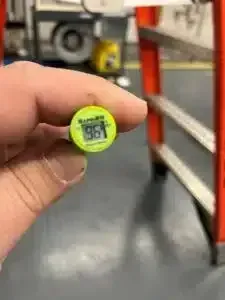
2. Moisture Testing: Conducting thorough moisture tests helps determine the moisture levels in the concrete.
3.
Implementing Moisture Mitigation Strategies: Based on test results, apply moisture vapor barriers or use self-priming systems to ensure a dry and stable substrate.
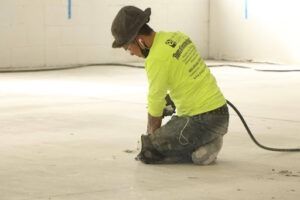
4. Proper Surface Preparation: Clean the concrete, repair cracks, and ensure it is dry and free of contaminants for strong adhesion.
5. Correct Mixing and Application Techniques: Adhering to the right mixing ratios and application techniques ensures a uniform and strong coating.
6. Adequate Drying and Curing Time: Allow sufficient drying and curing time for both the concrete and epoxy to prevent trapped moisture.
Effective Moisture Mitigation Strategies
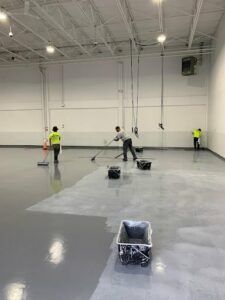
Effective moisture mitigation strategies are crucial for the longevity of epoxy floors. Pre-coating with moisture vapor reducers can significantly reduce the risk of moisture transmission. Urethane cement overlays offer durable and customizable solutions, creating a robust barrier against excess moisture. Additionally, breathable epoxy coatings are designed to allow moisture to escape while maintaining the floor’s durability, making them ideal for facilities with high moisture levels.
Addressing Bubbles in Epoxy Floors
If you notice bubbles in your epoxy floor, it’s essential to address the issue promptly. This usually requires removing the current epoxy coating and implementing proper moisture mitigation strategies before reapplying the epoxy.
Long-Term Benefits
Proper installation and maintenance of epoxy floors enhance durability and reduce maintenance costs. Preventing moisture-related issues ensures your epoxy floors perform exceptionally well for years to come.
Ready to start your industrial flooring project?
Contact us today for a FREE quote!
Call:
860-430-6206

